
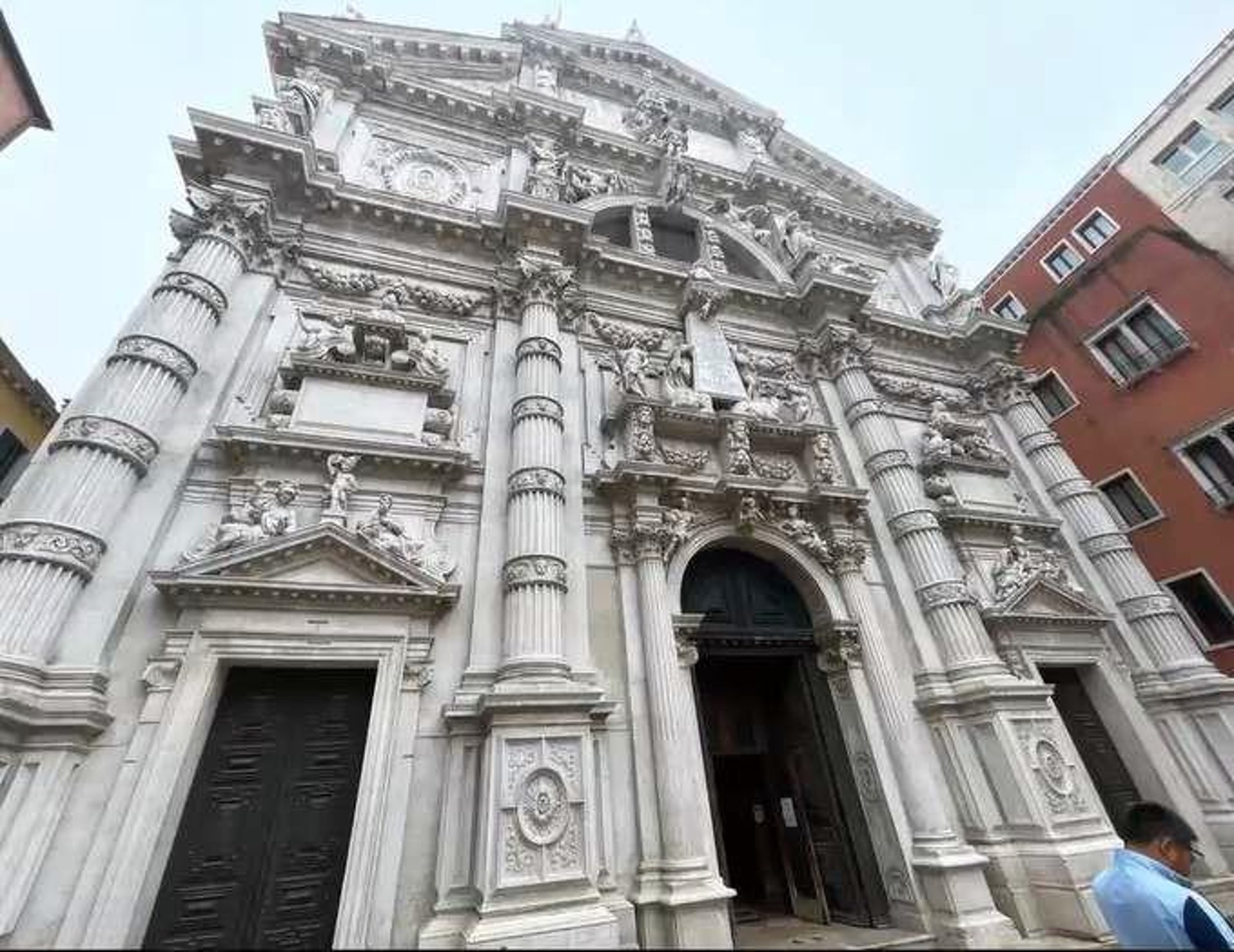
Ancient Buildings in Italy: What Centuries-Old Structures Can Teach Us Today
Italy’s ancient buildings are more than beautiful landmarks. They are records of construction methods, local materials, cultural traditions, and centuries of maintenance.
From Roman ruins to historic churches and public squares, these structures raise an important question: Why have some buildings survived for hundreds or even thousands of years while many newer buildings already face cracking, corrosion, and water damage?
Built With the Materials Available
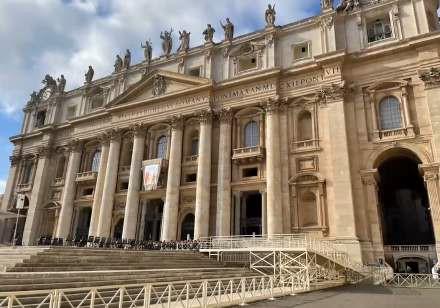
Ancient Italian builders relied heavily on materials found in their surroundings, including stone, marble, limestone, timber, volcanic ash, and early forms of concrete.
Many structures were designed so that stone carried weight through compression. Columns, arches, thick walls, and domes allowed builders to create large spaces without the modern steel systems used today.
Roman concrete remains especially interesting. Some ancient mixtures included volcanic ash and lime, producing material that has survived long periods of weather exposure. Modern reinforced concrete can be stronger in many applications, but it may deteriorate when moisture reaches the reinforcing steel and causes corrosion.
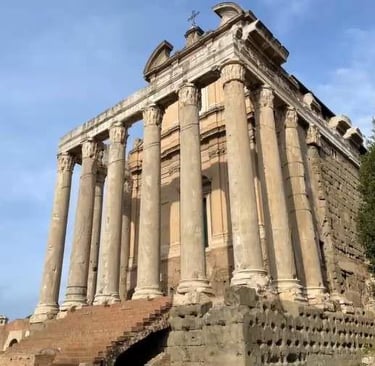
Pompeii: A City Preserved
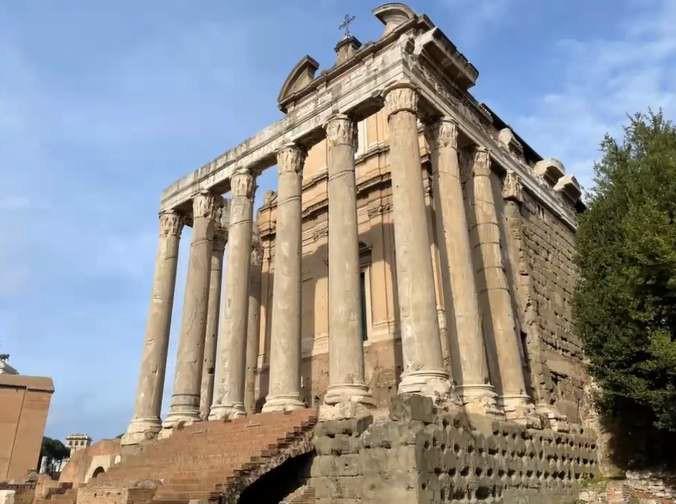
Pompeii offers a rare look at how an ancient community was organized. Its streets, homes, public spaces, drainage systems, walls, and columns reveal that Roman cities were complete urban environments rather than collections of isolated monuments.
The site also reminds us that buildings preserve evidence of everyday life. Protecting historic structures helps preserve the stories, skills, and experiences of the people who once used them.
What Modern Building Owners Can Learn
Ancient buildings do not survive simply because they were well constructed. Their longevity also depends on continued care, repair, and adaptation.
Modern property owners and building managers can apply several practical lessons:
Inspect buildings regularly.
Address water intrusion early.
Use repair materials that are compatible with the original construction.
Consider the effects of climate and environmental exposure.
Avoid allowing minor defects to become major structural problems.
Maintain clear records of inspections, repairs, and alterations.
A building may be designed to last, but neglect can shorten its service life considerably.
Preserving More Than Architecture
Italy’s ancient structures connect engineering, craftsmanship, history, and culture. They show how earlier builders worked with the materials and knowledge available to them while creating buildings that continue to inspire modern architects and construction professionals.
These ideas are also explored in Lance Luke’s Ancient Buildings in Italy: Italy’s Past in Stone and Story, which examines historic Italian structures from the perspective of a building and construction expert.
Discover the Stories Behind Italy’s Historic Buildings
Explore the construction methods, architectural details, and preservation lessons found throughout Italy’s ancient structures.


Lance Luke 2026 © International Building Expert
LANCE LUKE
International Building Expert — Commentary, Books & Global Insights
Building safety expertise across continents. From forensic analysis to historic preservation.
CONNECT
(808) 754-3425
lanceluke@hawaiibuildingexpert.com