
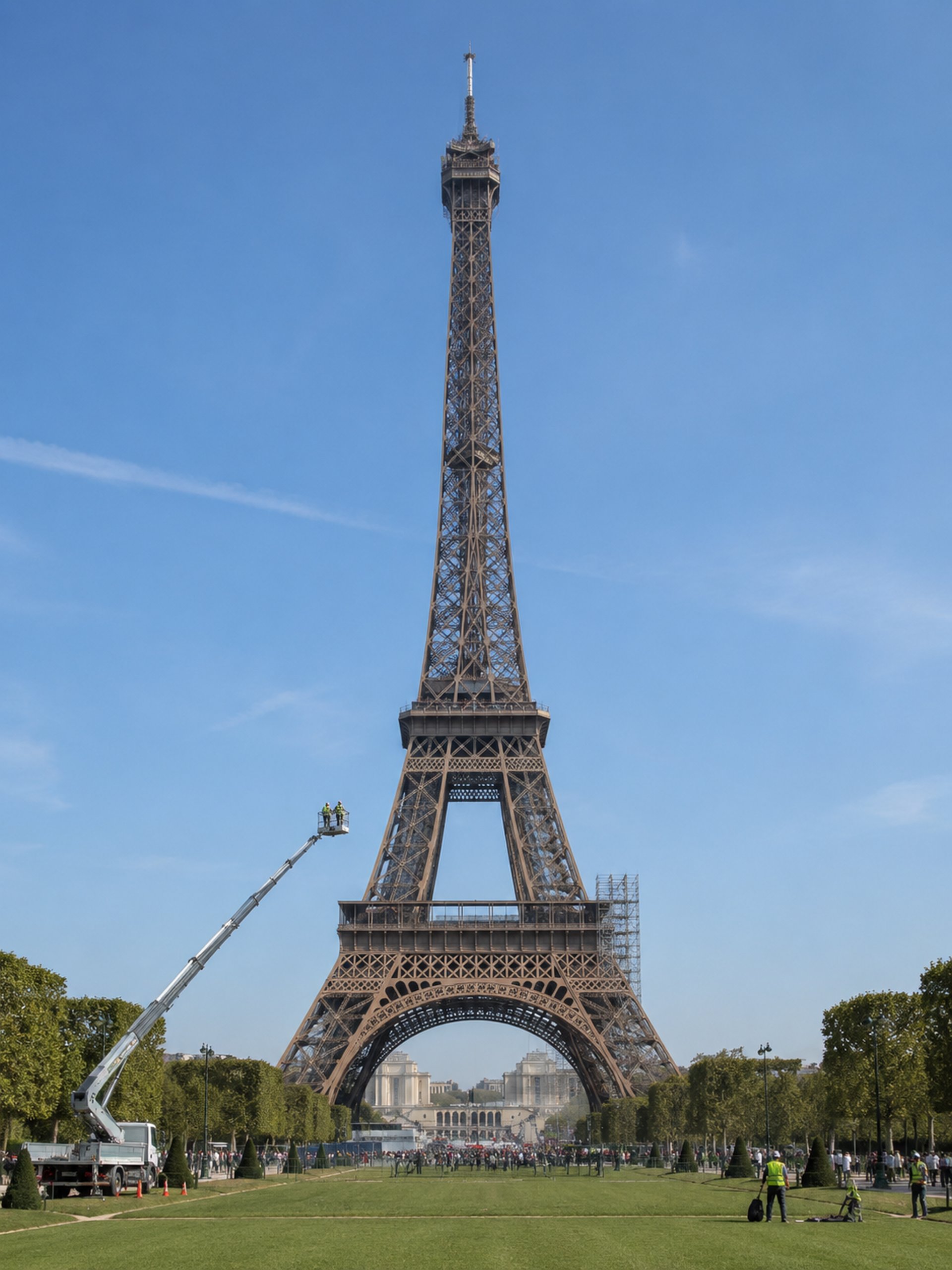
The Eiffel Tower: Engineering Marvel and the Ongoing Battle Against Corrosion
CASE STUDY
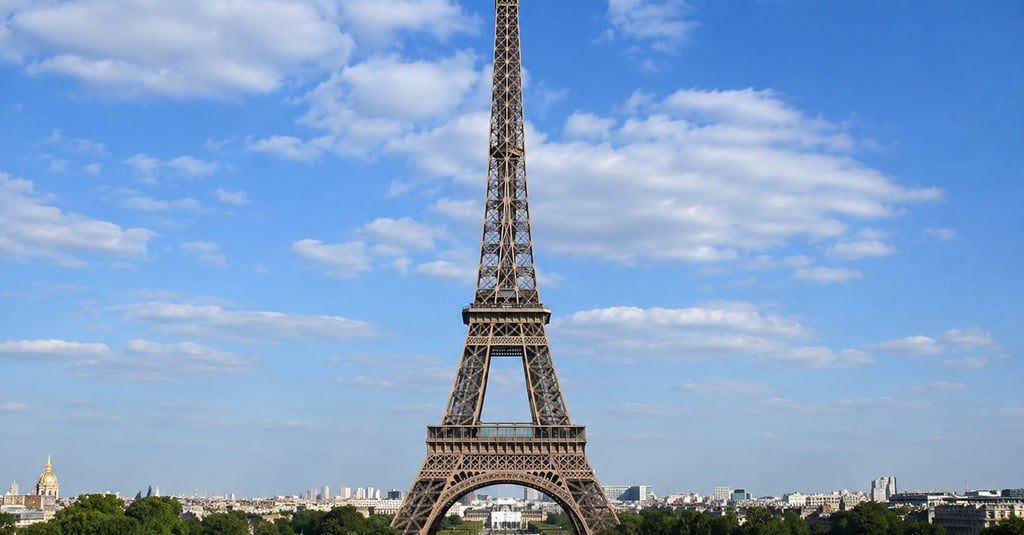
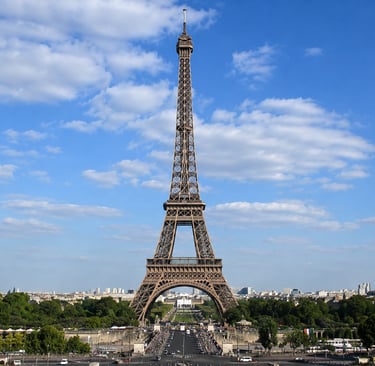
Case Study Title: The Eiffel Tower: Engineering Marvel and the Ongoing Battle Against Corrosion
Location: Paris, France
Background:
Completed in 1889 for the Exposition Universelle, the Eiffel Tower is one of the most recognized engineering achievements in the world. The 1,083-foot structure was built using approximately 7,300 tons of puddled iron, more than 18,000 prefabricated iron components, and about 2.5 million rivets.
Gustave Eiffel’s team developed a lightweight lattice framework that could resist wind forces while reaching a height never previously achieved by a human-made structure. For more than 40 years, it remained the tallest structure in the world and became an important model for future towers, bridges, and metal-framed buildings.
Although the tower’s iron framework is strong and flexible, it has one major vulnerability: corrosion caused by continued exposure to oxygen, moisture, pollution, and changing weather conditions.
What Happened:
From the beginning, the Eiffel Tower required protective coatings to prevent its iron components from rusting. Paris’s humidity, rainfall, pollution, and the tower’s proximity to the Seine River continually expose the structure to moisture.
Urban pollutants can combine with rainwater and weaken the tower’s paint system, allowing rust to develop beneath damaged or deteriorated coatings. Horizontal surfaces where water collects, riveted connections that trap moisture, and lower areas exposed to runoff are especially vulnerable.
To control this deterioration, the Eiffel Tower has undergone repeated maintenance and repainting throughout its history. It has reportedly been repainted more than 19 times. A complete painting project can require approximately 60 tons of paint and may take between 12 and 18 months to complete.
Building or Construction Issues Involved:
The primary building issue is corrosion of the puddled iron framework. When iron is exposed to oxygen and moisture, rust develops. Over time, corrosion can reduce the thickness and strength of metal components, damage protective coatings, and affect riveted joints and other important structural connections.
Other construction and maintenance concerns include:
Water collecting on horizontal iron members
Moisture becoming trapped around rivets and connections
Deterioration of paint and protective coatings
Difficult access to complex latticework
Worker safety during painting and inspection
Preserving historic materials without unnecessarily weakening or replacing them
Earlier maintenance programs used lead-based coatings because of their adhesion and corrosion resistance. Due to health and environmental concerns, modern protection may instead use multiple coating layers, including a corrosion-resistant primer, an intermediate moisture barrier, and a weather-resistant topcoat.
Because of the structure’s many joints and detailed components, much of the painting must be completed by hand using brushes. Workers rely on harnesses, scaffolding, and specialized access systems to reach the tower’s exposed surfaces.
Safety Lessons:
The Eiffel Tower demonstrates that even a well-designed and strongly constructed structure cannot be expected to survive indefinitely without maintenance. Corrosion is a predictable condition, but it becomes dangerous when protective coatings fail and deterioration is allowed to continue.
Routine inspections should focus on water collection areas, joints, connections, damaged coatings, and sections where corrosion may be hidden. Visual inspections can identify peeling paint, rust staining, and surface damage, while tools such as ultrasonic testing can measure the remaining thickness of metal components.
Infrared imaging may help locate moisture trapped beneath coatings, while drones can provide detailed images of difficult-to-reach areas without placing inspectors at unnecessary risk.
The broader safety lesson is that small defects should be corrected before they develop into structural problems. Repainting, sealing, and repairing localized corrosion are generally safer and less expensive than replacing severely deteriorated structural members.
Lance's Commentary:
The Eiffel Tower is not only a historic monument. It is a continuing example of how inspection and preventive maintenance extend the useful life of a structure.
Corrosion does not necessarily indicate that the original design was defective. Iron and steel naturally deteriorate when repeatedly exposed to moisture and oxygen. The real question is whether the structure is being inspected, protected, and maintained before that deterioration affects its performance.
The same principle applies to modern buildings, especially those located in humid or coastal environments such as Hawaii. Salt air, moisture intrusion, and inadequate protective coatings can contribute to rusted metal, deteriorated railings, corroded pipes, damaged reinforcing steel, and concrete spalling.
In many building inspections, the underlying pattern is similar: water enters, protective systems fail, corrosion begins, and repairs are postponed. The Eiffel Tower has survived because maintenance has been treated as an ongoing responsibility rather than a one-time project.
The lesson for building owners and managers is simple: preventive maintenance is safer and more affordable than waiting for deterioration to become an emergency.

Lance Luke 2026 © International Building Expert
LANCE LUKE
International Building Expert — Commentary, Books & Global Insights
Building safety expertise across continents. From forensic analysis to historic preservation.
CONNECT
(808) 754-3425
lanceluke@hawaiibuildingexpert.com