
The Surfside Florida Building Collapse: A Warning About Deferred Maintenance and Structural Deterioration
CASE STUDY
Case Study Title: The Surfside Florida Building Collapse: A Warning About Deferred Maintenance and Structural Deterioration
Location: Surfside, Florida
Background:
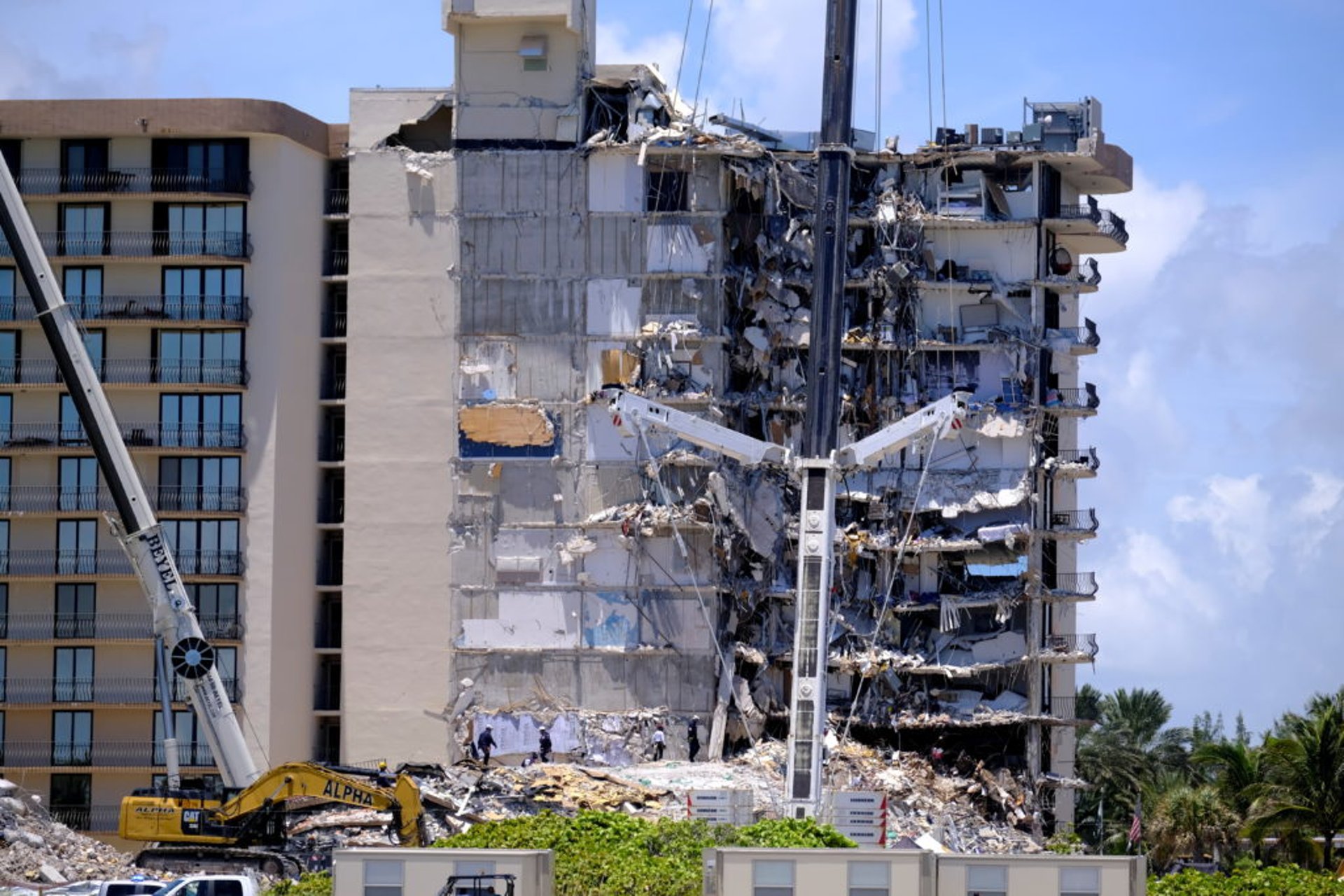
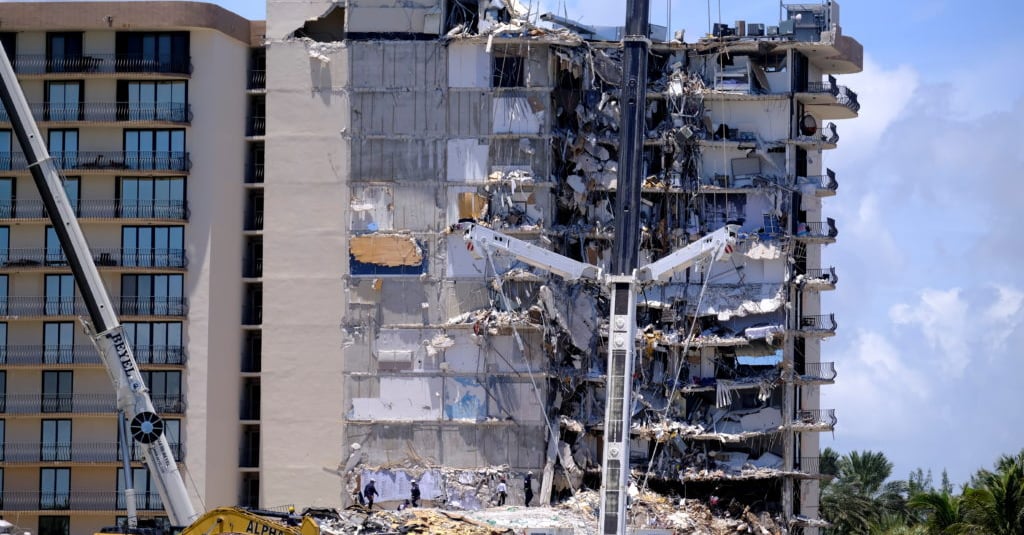
The partial collapse of the Champlain Towers South condominium became one of the most significant building safety tragedies in recent U.S. history. After part of the structure collapsed, the remaining portion of the building was taken down for safety reasons. In Florida Building Collapse, Lance Luke examines the tragedy from the perspective of building inspections, structural deterioration, concrete repair, maintenance, and the systems intended to identify dangerous conditions before a failure occurs.
Lance's book focuses heavily on a central question: could serious deterioration have been identified and corrected earlier? He points to the timing of Florida's building recertification process, arguing that waiting decades for a major structural inspection creates the possibility that important building components may deteriorate long before the required inspection occurs.
What Happened:
A portion of the condominium building suffered a catastrophic collapse. According to Lance's discussion, a 2018 structural survey had already documented concerning conditions, including cracks in the parking ramp, columns, beams, and walls, as well as water damage and problems involving the concrete slab above the parking level and the pool area.
Lance emphasizes that these conditions did not develop overnight. In his opinion, the findings available in 2018 were serious enough to raise an alarm and should have triggered more urgent corrective action.
His book also examines the role of deteriorated waterproofing and prolonged water intrusion. When waterproofing fails, water can penetrate porous concrete and reach reinforcing steel. The steel then corrodes, expanding and damaging the surrounding concrete, which can result in cracking and spalling.
Building or Construction Issues Involved:
The case involved a combination of structural deterioration, water intrusion, concrete spalling, reinforcing steel corrosion, failed or deteriorated waterproofing, and concerns involving structural components around the parking and pool deck areas.
Lance explains that concrete is porous and is not inherently waterproof. When a parking deck's protective waterproofing deteriorates, moisture can enter the concrete and reach the reinforcing steel. In a coastal environment, salt and moisture can accelerate corrosion, leading to cracking, concrete deterioration, and loss of structural integrity.
The 2018 structural survey identified cracks and water-related problems in several areas of the building. Lance's book presents these conditions as warning signs that required timely investigation and repair rather than continued delay.
Another issue raised by Lance is the timing of mandatory building inspections. He questions the wisdom of waiting until a building reaches 40 years of age for its first major recertification inspection, noting that building components can fail much sooner.
Safety Lessons:
Buildings should be inspected based on their condition, environment, age, and observed deterioration, not simply according to a distant deadline on a calendar. Cracks, concrete spalling, corrosion, leaks, failed waterproofing, and water intrusion should be investigated when they appear.
Structural inspections should include critical components such as columns, beams, parking slabs, concrete deterioration, corroding reinforcing steel, roof leaks, and waterproofing systems. Lance argues that comprehensive inspections should occur much earlier than the traditional 40-year mark, suggesting inspections at 10 or 20 years at minimum.
The case also demonstrates that identifying a problem is only the first step. An engineering report that documents serious deterioration must be followed by timely decisions, funding, repairs, and verification that corrective work has been completed. Deferred maintenance can allow a manageable repair problem to grow into a serious safety hazard.
Lance's Commentary:
Lance's position in the book is direct: he believes the tragedy was avoidable and should never have happened. His concern is not simply that a building collapsed, but that warning signs and deteriorating conditions existed before the failure. In his words, the situation became a matter of "too little, too late."
He is particularly critical of waiting 40 years for a major building safety inspection. His view is that structural and building components do not follow a convenient 40-year schedule. Waterproofing can fail, reinforcing steel can corrode, concrete can spall, and structural conditions can deteriorate much earlier.
Lance also makes clear that his conclusions in the book are based on his professional interpretation of available reports and photographs rather than a personal inspection of the property. Even so, he says the conditions visible in the engineering documentation were serious enough to represent a clear red flag.
His overall message is simple: do not wait for deterioration to become a disaster. Total building collapses may be rare, but building owners and associations must take documented structural problems seriously and complete necessary repairs before conditions become critical. As Lance states, the goal is to prevent another tragedy, and his message to building owners is to get their buildings fixed when repairs are needed.
Related Books/ Articles:
Florida Building Collapse: Fatal Flaws in Construction, or Lack of Maintenance and Repairs? by Lance Luke. The book addresses building inspection programs, major building components, structural deterioration, possible causes of collapse, forensic engineering, and safety recommendations.


Lance Luke 2026 © International Building Expert
LANCE LUKE
International Building Expert — Commentary, Books & Global Insights
Building safety expertise across continents. From forensic analysis to historic preservation.
CONNECT
(808) 754-3425
lanceluke@hawaiibuildingexpert.com