
Ancient Buildings in Italy: Lessons in Durability, Construction, and Preservation
CASE STUDY
Case Study Title: Ancient Buildings in Italy: Lessons in Durability, Construction, and Preservation
Location: Italy, including Venice, Pompeii, Rome, Trieste, Milan, and Vatican City
Background:
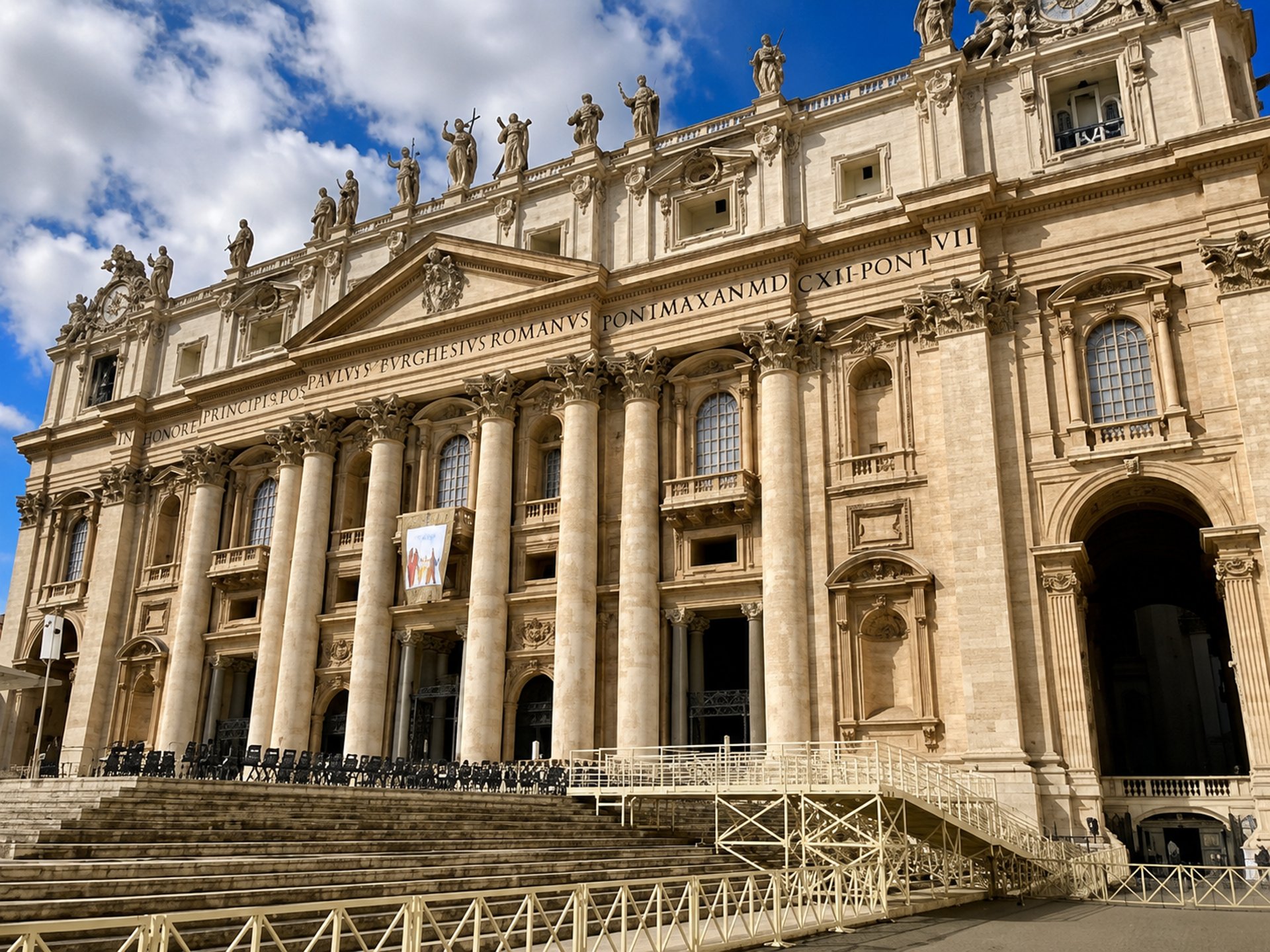
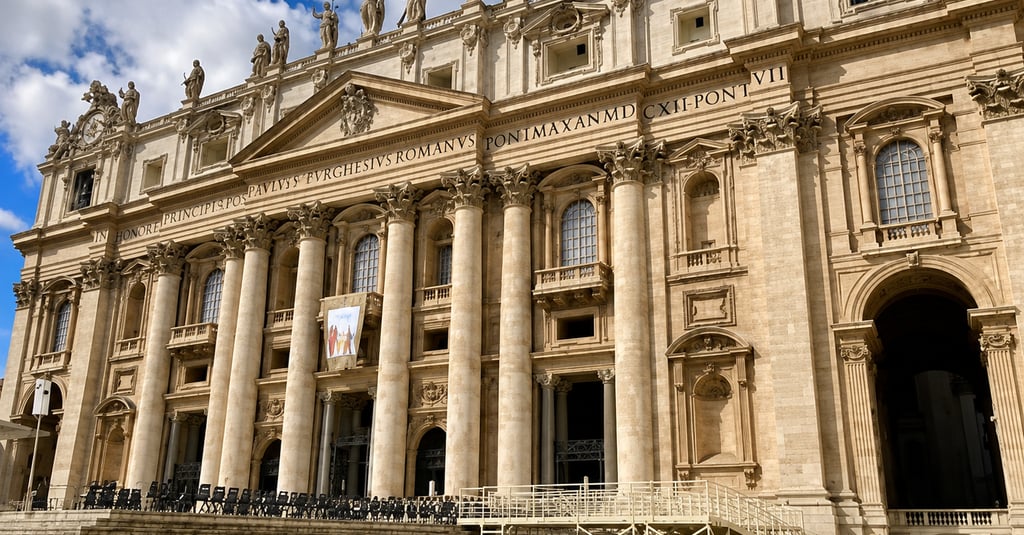
Italy is home to buildings and structures that have survived for hundreds, and in some cases thousands, of years. In Ancient Buildings in Italy: Italy's Past in Stone and Story, Lance Luke examines these historic structures through the perspective of a construction professional, exploring their age, materials, architectural systems, and continued maintenance. The book covers Roman construction methods as well as historic landmarks in Venice, Pompeii, Rome, St. Peter's Square, and the Colosseum.
For Lance, visiting these buildings raises an important construction question: why are some structures that are centuries old still standing while much newer buildings already suffer serious deterioration? His observations point toward a combination of material selection, construction techniques, architectural design, and continued repair and maintenance.
What Happened:
Rather than focusing on a single building failure, this case study examines how ancient and historic structures in Italy have survived through centuries of environmental exposure, changing uses, natural disasters, and continuous occupation.
Ancient Roman builders relied heavily on natural materials such as stone, quarried rock, timber, marble, and concrete. Structural systems evolved from basic columns and lintels to sophisticated arches and domes. Lance also highlights Roman concrete, including mixes incorporating materials such as limestone and ash, as an example of a construction material whose remarkable durability continues to be studied by archaeologists, scientists, and engineers.
At the same time, these buildings have not survived simply because they were built well. Lance repeatedly observes active maintenance and restoration. In Venice, for example, repairing historic buildings near or over water requires scaffolding, specialized access, and even transporting construction materials by boat.
Pompeii presents a different story. The ancient city was devastated and buried by the eruption of Mount Vesuvius, leaving structures and columns that were later uncovered through excavation. Significant portions of the ancient city remain unexplored, demonstrating both the scale of the original settlement and the continuing challenge of preserving what has been uncovered.
Building or Construction Issues Involved:
The buildings examined in Lance's book demonstrate several important construction and preservation issues. Material durability is one of the most significant. Stone, marble, brick, timber, and Roman concrete were used extensively, often without the steel reinforcement found in modern concrete construction. Lance contrasts this with reinforced concrete, where corrosion of embedded steel can eventually lead to cracking and concrete spalling.
Maintenance is equally important. Historic buildings require continuing inspections, repairs, painting, restoration, and specialized access. Venice presents an especially challenging environment because many structures are surrounded by or located close to water, requiring construction crews to adapt normal repair methods to unusual site conditions. Lance describes seeing scaffolding used for ongoing maintenance and notes that this continued attention may be one of the reasons these historic buildings have survived for so long.
The Colosseum provides another example of durable ancient construction. Lance notes its extensive use of large stone blocks and brick, contrasting these techniques with modern construction methods that commonly rely on poured concrete, concrete masonry units, and mortar.
Safety Lessons:
The most important lesson from Italy's ancient buildings is that longevity requires both good construction and continued care. Even the strongest materials eventually deteriorate when water intrusion, weather exposure, structural movement, or deferred maintenance are ignored.
Modern building owners can learn from these historic structures by prioritizing regular inspections, timely repairs, appropriate material selection, and preventive maintenance. Repairs must also account for the building's environment. A waterfront structure in Venice, for example, presents different access and deterioration challenges than a stone structure in Rome.
Historic preservation also demonstrates the importance of understanding original construction methods before beginning repairs. New materials should be compatible with existing materials, and restoration work should be carefully planned so that efforts intended to preserve a structure do not unintentionally damage it.
Lance's Commentary:
As a construction engineer, Lance says that when he travels, he naturally looks beyond the appearance of a building. He is interested in its architectural design, how it was constructed, what materials were used, and how long it has survived.
What stands out most to him is the contrast between ancient buildings that remain standing and some modern buildings constructed only decades ago that are already experiencing significant deterioration. In his view, the difference comes down to several factors: the type of construction, the materials selected, the architecture, and perhaps most importantly, repair and maintenance.
His message is straightforward: a building does not survive simply because it was well built on day one. As Lance puts it in discussing these historic structures, without repair, a building will eventually fall apart, just like a house that is neglected.
The ancient buildings of Italy therefore offer a lesson that applies directly to today's condominiums, commercial properties, and public buildings. Durable materials matter, good design matters, and quality construction matters, but none of them eliminate the need for maintenance. The fact that centuries-old structures continue to stand is not only a testament to ancient engineering. It is also evidence of what can happen when buildings are valued, monitored, repaired, and preserved from one generation to the next.
Related Books/ Articles:
Ancient Buildings in Italy: Italy's Past in Stone and Story by Lance Luke
Related topics include Roman construction methods, Roman concrete, historic preservation, building maintenance, concrete spalling, and the architectural history of Venice, Pompeii, Rome, St. Peter's Square, and the Colosseum.


Lance Luke 2026 © International Building Expert
LANCE LUKE
International Building Expert — Commentary, Books & Global Insights
Building safety expertise across continents. From forensic analysis to historic preservation.
CONNECT
(808) 754-3425
lanceluke@hawaiibuildingexpert.com