
Fire Safety and Life Safety Issues
When Paperwork Lies, Fire Tells the Truth: Crucial High-Rise Safety Lessons
If there is one absolute rule I’ve learned in my 45-plus years inspecting buildings and studying catastrophic failures, it’s this: fire doesn't play politics, it doesn't exaggerate, and it never lies.
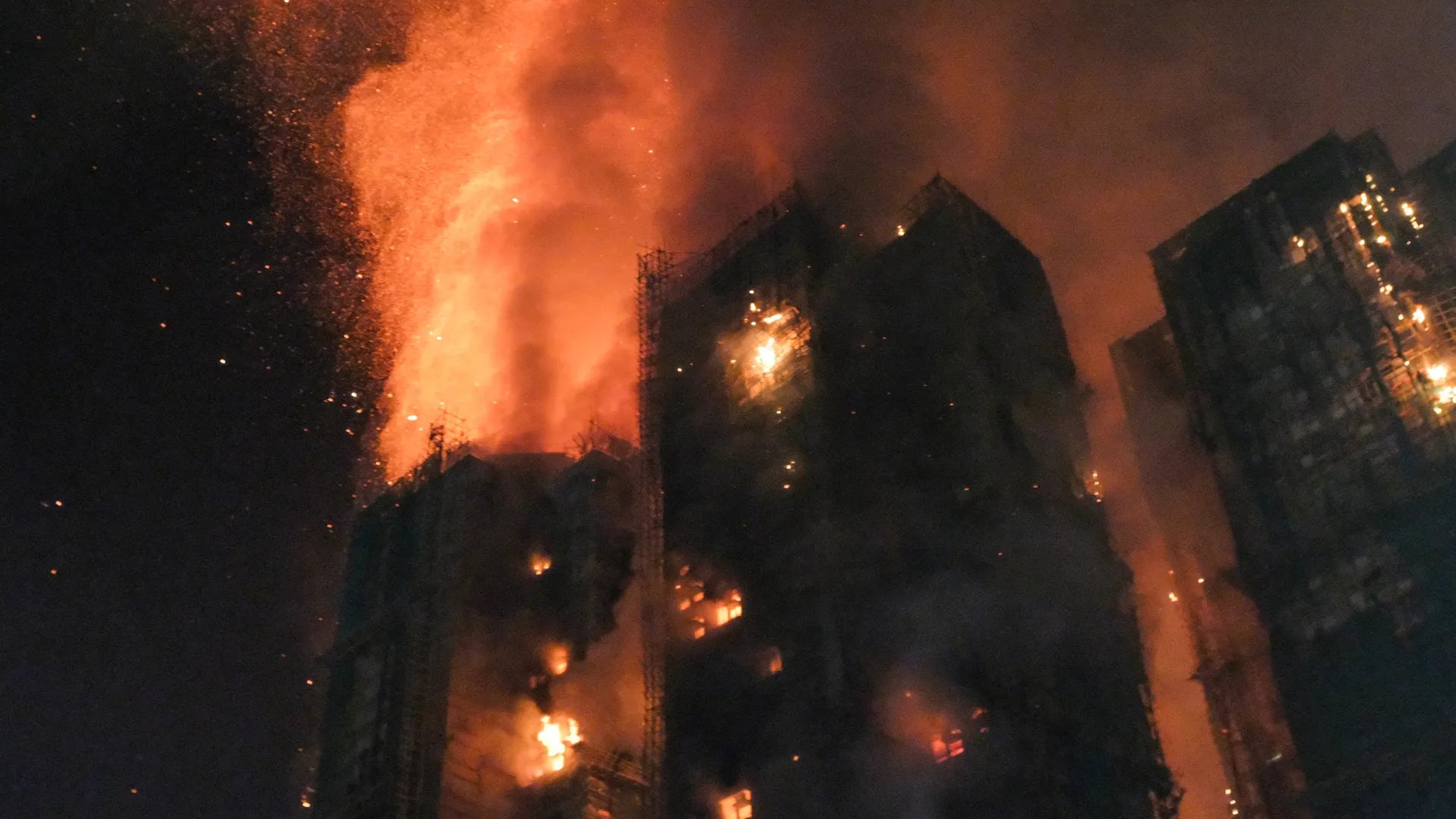
When looking at recent high-rise disasters across the globe, a terrifyingly familiar pattern emerges. Too many modern real estate assets are updated cosmetically but left completely vulnerable structurally. We see properties wrapped in newer, modern-looking finishes that are completely mismatched with the core fire protection systems the structure actually has.
Whether you manage an aging residential tower or a commercial asset, the global cracks in life-safety oversight should serve as an urgent wake-up call.
The Blueprint of a Tragedy: The "Chimney Effect"
In my book, Inferno by Design, I took a deep diagnostic look at how minor shortcuts quickly compound into human tragedy. Think about standard renovation practices: a contractor installs scaffolding, wraps it in protective mesh, and patches gaps around windows with foam insulation. On a standard compliance checklist, it looks like business as usual.
But under the lens of forensic fire science, you've accidentally built a tinderbox:
The Delivery System: Non-fire-rated green mesh netting wrapped around scaffolding acts exactly like a fuse. When it catches fire, gravity stops helping, and the fire races vertically up the structure in minutes.
The Accelerator: When a tight gap exists between the scaffolding mesh and the building facade, it creates a literal chimney effect. The draft sucks oxygen in and propels an intense column of flame directly upward.
The Traps: Cheap polystyrene or foam board insulation used to pack window frames melts and drips, pushing intense heat inward until the glass shatters. If those windows are sealed shut for construction, apartments turn into pressurized convection ovens with zero ventilation.
Lance's Rule of Thumb: A building's exit routes are only as good as its core engineering. If a high-rise has its stairwells and elevators clustered dead-center without pressurization or independent smoke doors, a facade fire will turn those central lifelines into smokestacks.
The Culture of Delay: A Global Systemic Failure
We often assume a building is safe just because the local municipality stamped the paperwork. That is a dangerous illusion.
From the horrific 2017 Grenfell Tower fire in London to high-rise tragedies in densely packed Eastern hubs like Hong Kong, the underlying failure isn't geographical—it's cultural. It’s a culture of delay and willful neglect.
Too many property owners rely on a single occupancy certificate issued decades ago. They let buildings go years without retrofitting mandatory life-safety systems—skipping out on automated sprinklers, ignoring outdated alarm panels, and failing to pressure-test emergency stairwells. The scary reality is that we constantly assume old buildings are safe simply because they haven't caught fire yet.
A Blueprint for Survival: What Property Managers Must Do Now
We cannot keep waiting for a disaster to remind us what needs to change. If you are responsible for a building asset, independent and recurring inspections are your only real defense.
Audit Your Substrates: Ensure that any exterior renovation or facade work utilizes strictly fire-rated, non-combustible materials. Never allow uncertified mesh or cheap plastic fillers on a high-rise facade.
Never Ignore the Alarms: A malfunctioning or disconnected alarm panel during a renovation turns a building into a silent ghost. Test them aggressively, and ensure temporary safety protocols are active if systems are taken offline for maintenance.
Commit to the Retrofit: Yes, retrofitting older towers with automated sprinkler systems and pressurized stairwells is expensive. But fire scene forensics show that these systems buy the one thing money can't usually buy when a crisis hits: time.


Lance Luke 2026 © International Building Expert
LANCE LUKE
International Building Expert — Commentary, Books & Global Insights
Building safety expertise across continents. From forensic analysis to historic preservation.
CONNECT
(808) 754-3425
lanceluke@hawaiibuildingexpert.com